
Understanding the Process Behind Professional Automotive Photography and Videography
Professional automotive photography and videography follow a structured process designed to produce consistent, accurate results. While the final images or videos may appear effortless, each project involves multiple stages that contribute to quality and reliability.
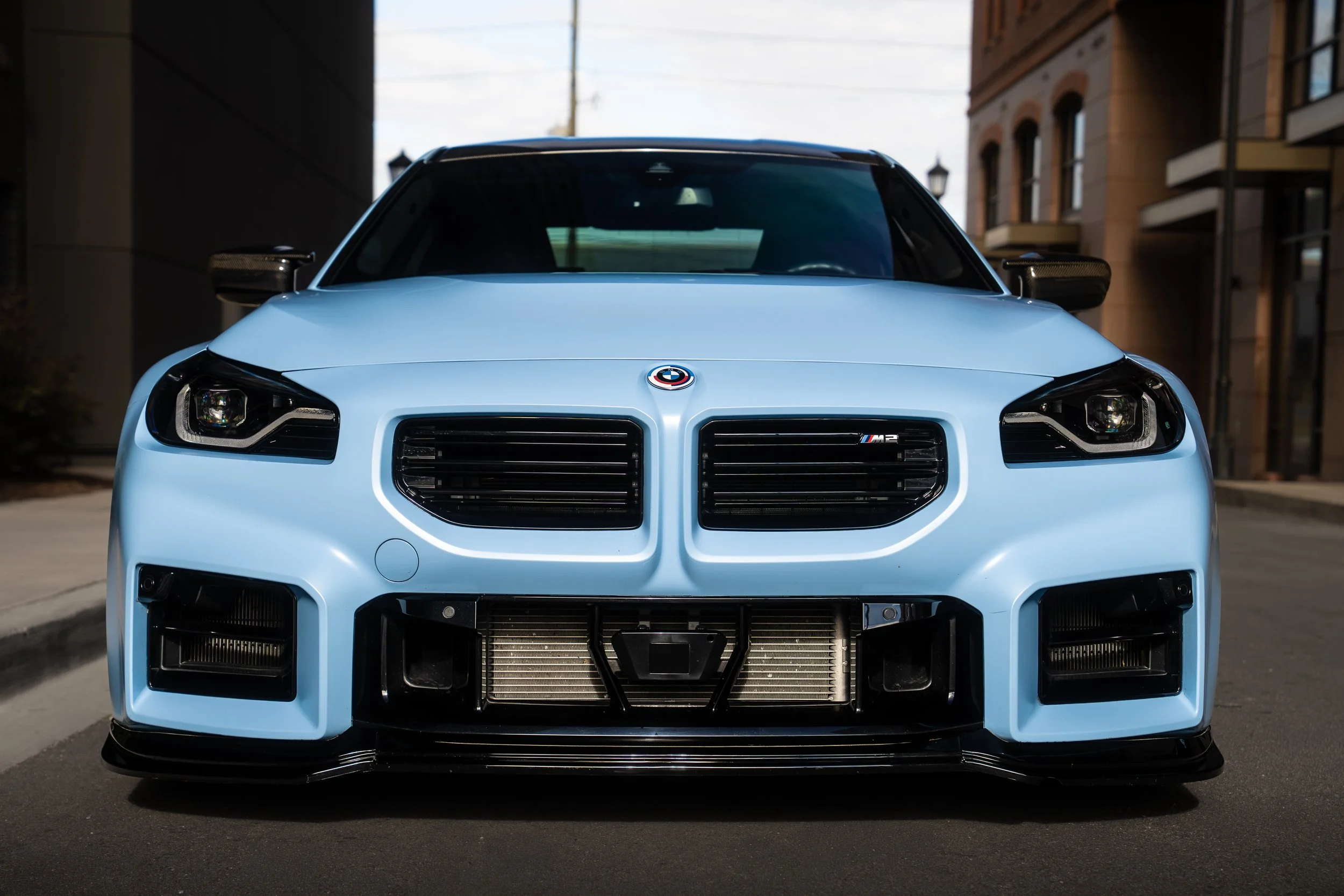
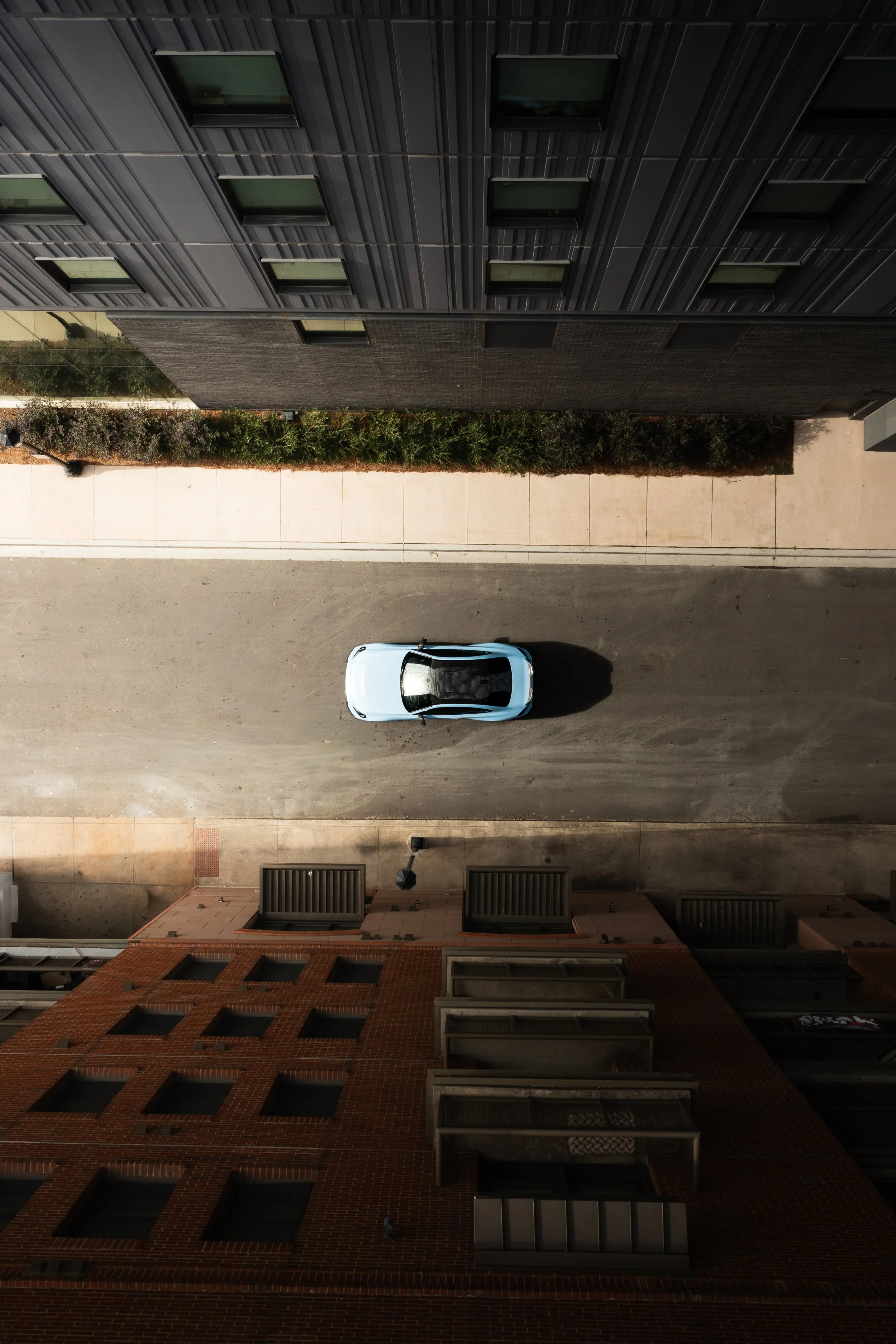
The process begins with planning. Understanding the vehicle, the intended use of the content, and the environment allows photographers to choose appropriate locations, timing, and equipment. This stage reduces guesswork and ensures the shoot aligns with the client’s goals.
During the shoot, technical control is critical. Automotive surfaces reflect light easily, making exposure and positioning essential. Photographers manage angles, lighting direction, and movement to preserve body lines, paint color, and detail. Videography adds additional considerations such as stabilization, motion paths, and sequencing.
After capture, post-production refines the content. Editing focuses on correcting exposure, balancing color, and enhancing clarity while maintaining realism. For video, pacing and flow are adjusted to support narrative and visual cohesion. Over-editing is avoided to ensure authenticity.
This structured approach benefits both individuals and businesses. For personal projects, it preserves vehicles accurately and professionally. For brands and organizations, it ensures visual consistency across platforms, strengthening credibility.
Understanding the process behind professional automotive visuals helps clients make informed decisions and set realistic expectations. When executed correctly, photography and videography become long-term assets rather than short-lived content.
